Separate the water you use for drinking from the question of how water reaches the apartment. Ask about the actual supply and equipment, then choose a safe drinking source you can maintain. Keep food handling and the day’s temperature in mind when shopping, cooking or travelling.
Choose a reliable drinking-water routine
The US Centers for Disease Control and Prevention (CDC) advises using unopened, commercially sealed bottled water or properly treated water when safe tap water cannot be established. The same concern applies to ice and water used for food preparation or brushing teeth. Clear appearance alone does not establish that water is suitable to drink. CDC travel-water guidance.
Ask the owner about the apartment’s actual tank, filter and maintenance arrangements without assuming a particular condition. If you use bottled water, check the seal, store it appropriately and keep containers clean. If considering treatment equipment, ask a qualified provider which hazards it addresses and how it must be maintained.
Keep enough suitable water for ordinary use, but do not treat an old bottle stored in heat as an indefinite supply. A reusable drinking bottle still needs cleaning and a suitable refill source. For a day trip, plan refills before leaving the city.
Keep hot food hot and chilled food chilled
CDC’s consumer guidance advises choosing food served hot or kept cold, using pasteurised dairy products and taking care with raw produce, meat and seafood. For produce you eat raw, use safe water and peel it yourself where appropriate. Food and drink precautions.
In a shared kitchen, separate raw ingredients from ready-to-eat food, clean work surfaces and use utensils suited to the task. Keep food covered and follow the product’s storage instructions. Ask a housemate before moving their food out of the refrigerator to make space for a large delivery.
A simple food-handling routine
| Stage | Practical habit |
|---|---|
| At the shop | Choose intact packaging and suitable dates; put chilled items away promptly after the journey. |
| Before cooking | Wash hands and prepare a clean work area. |
| During preparation | Keep raw food and its utensils separate from food ready to eat. |
| After the meal | Store remaining food safely rather than leaving it on the table for the evening. |
| For a shared meal | Discuss allergens and keep the ingredient information available. |
The World Health Organization (WHO) identifies safe food handling as a shared responsibility and directs consumers to its Five Keys approach: cleanliness, separation, thorough cooking, suitable temperatures, and safe water and ingredients. WHO food-safety guidance. The food-allergy guide adds the separate questions needed for allergies and coeliac disease.
Handwashing matters during ordinary errands
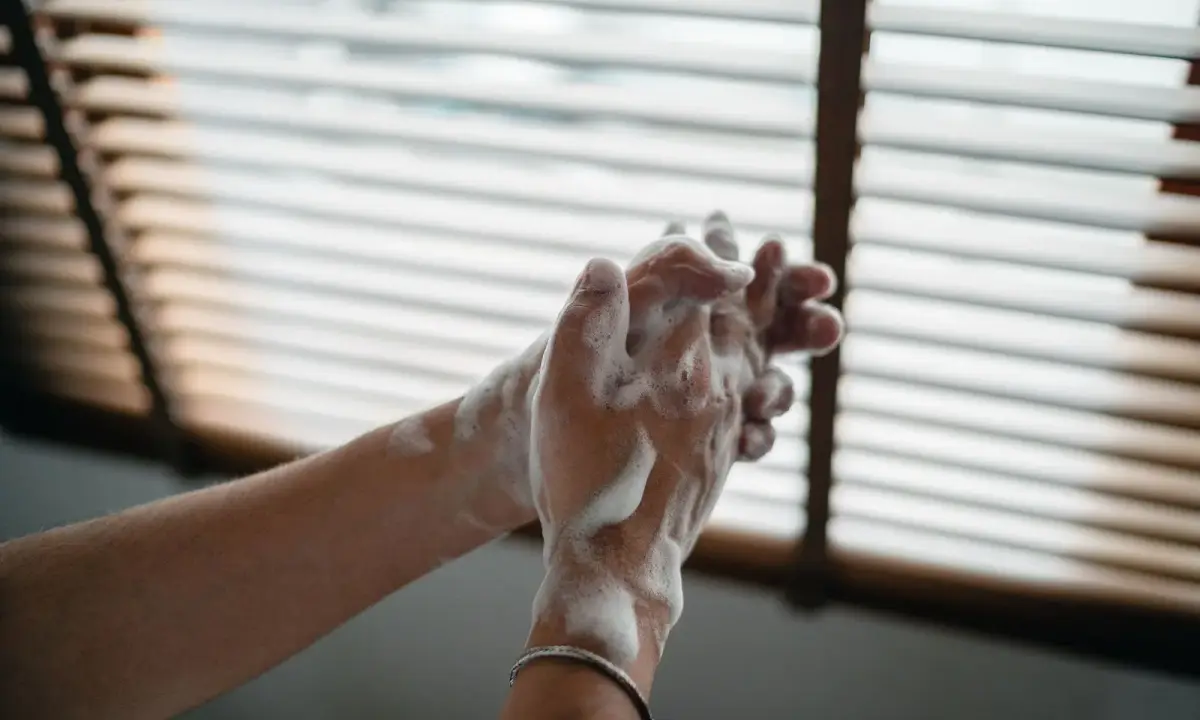
Wash with soap and water before preparing or eating food and after using the toilet. When soap and water are unavailable, CDC recommends a hand sanitiser with at least 60% alcohol, followed by washing when possible. Sanitiser is less effective on visibly dirty or greasy hands and against some pathogens. Handwashing guidance for travellers.
Keep cleaning products stored according to their labels and separate from food. Use the product directions for dilution and surfaces. Do not combine chemicals to make a stronger cleaner. The household-shopping guide helps organise basic supplies without buying more than you need.
Prepare for heat during a trip or a class day
Use shade, lighter clothing, drinking water and breaks when conditions are hot. Avoid scheduling strenuous activity for the hottest part of your own route. A cool start in Amman does not establish the same conditions at the Dead Sea or in Aqaba; check the Jordan Meteorological Department forecast for the destination.
The National Health Service (NHS) lists dizziness, headache, nausea, heavy sweating and thirst among heat-exhaustion symptoms. Move to a cool place, rest, cool the skin and drink suitable fluids if able. Confusion, a seizure, loss of consciousness or continuing serious illness can indicate an emergency: call Jordan’s 911 and follow instructions. Heat illness and emergency signs. Do not wait for a routine appointment when someone is seriously unwell.
When stomach symptoms interrupt your plans
Seek clinical advice if you cannot keep fluids down, have signs of dehydration, blood in the stool or other concerning symptoms. Use 911 for a medical emergency. The NHS vomiting and diarrhoea guidance explains symptoms that need assessment; Jordan’s service numbers differ from UK numbers.
The doctor and pharmacy guide gives local appointment contacts, and emergency help explains dispatch. Keep travel and insurance records available if treatment is required. Avoid taking someone else’s prescription medicine for a stomach problem.
For apartments for rent in Jabal Amman for students organising everyday meals and supplies, the owner offers four properties by room or as a whole apartment. Confirm the actual kitchen, water and household arrangements. The utilities hub and cooking-for-one guide connect those details with a workable daily routine.